A GUIDE TO LOCAL HEALTHCARE McKinney, Texas

McKinney, Texas · Understanding sciatica

Is it sciatica?7 symptom questions worth asking.

Pain that starts near the buttock and travels down a leg can raise an immediate question: is this sciatica? The pattern can suggest nerve involvement, but no online checklist can establish the cause.

These seven questions help McKinney readers describe possible sciatica symptoms and prepare for a useful evaluation.

01 OF 07

Where does the pain travel?

Sciatica commonly describes pain along one leg, sometimes reaching the foot or toes. It may feel sharp, burning or electric rather than like an ache confined to the back.

Trace the route in your own words: buttock, thigh, calf, foot. Different patterns can have different explanations, so avoid trying to identify a particular nerve from a diagram.

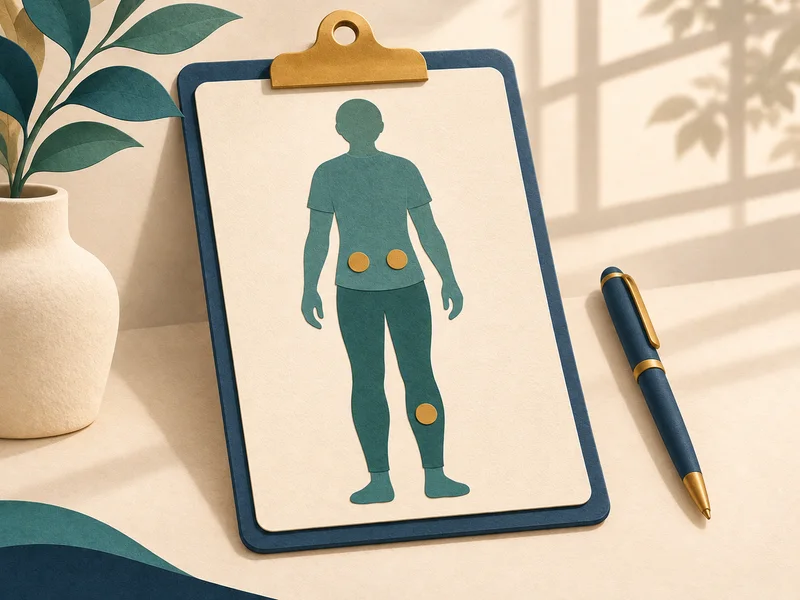
Illustrated symptom-location worksheet with markers on the lower back and one leg; not an anatomical diagram.
Describe the route.Include where the discomfort starts and ends.
02 OF 07

Is the leg more troublesome than the back?

Some people have both back and leg pain, with the leg symptoms more noticeable. Isolated lower-back soreness is not the same pattern as classic sciatica.

Tell the clinician which symptom limits you most. A painful back after gardening and burning down to the foot are different descriptions, even when both happen on the same day.

Illustration of walking shoes, a grocery bag and a chair representing everyday activities.
Separate the two complaints.Back discomfort and leg symptoms may need different questions.
03 OF 07

Is there tingling or loss of feeling?

Pins and needles or a numb area can accompany nerve irritation. Describe the location and whether the sensation is constant or comes and goes.

Do not repeatedly poke numb skin or apply very hot packs to test it. Persistent or spreading sensory changes deserve assessment, and numbness around the genitals or anus needs emergency care.

An open notebook, pen and clock for recording symptom changes.
Record a change in sensation.Location and timing are useful details.
04 OF 07

Has strength or walking changed?

Weakness is different from avoiding a movement because it hurts. A foot that catches on the ground, new trouble lifting the front of the foot or a leg that feels weaker needs prompt medical attention.

Do not wait for a routine appointment if weakness is new or worsening. Severe symptoms in both legs or bladder and bowel changes need emergency assessment.

Navy walking shoes beside a gently curving teal path.
Notice changes in function.New weakness needs prompt attention.
05 OF 07

Which positions change the symptoms?

Sitting, walking, coughing or sneezing may change nerve-related pain. Your clinician needs the pattern, not a home stress test.

Note what you were already doing when symptoms appeared and what helped them settle. Avoid repeated toe-touching, forceful stretches or asking someone to pull the leg to prove the pain is sciatica.

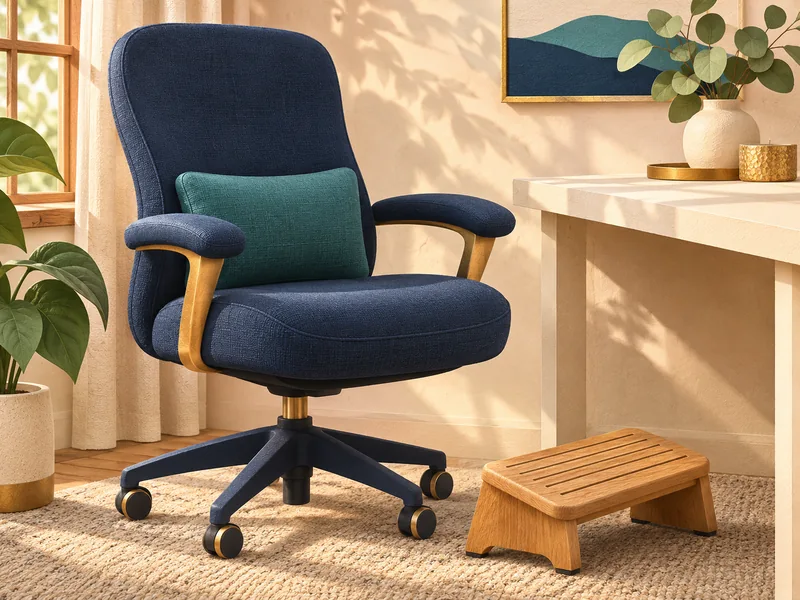
A supportive chair with a lower-back cushion and a footrest.
Observe ordinary activity.Do not provoke symptoms to collect evidence.
06 OF 07

What might be irritating the nerve?

Sciatica is a symptom description rather than one single diagnosis. A herniated disc is one possible cause. Narrowing around nerves in the spine and other problems can also produce leg symptoms.

The name alone does not tell you which treatment is appropriate or whether a scan is needed. That decision follows a medical history and examination.

Illustration of an exercise mat, resistance band and notebook representing previous care and follow-up.
A symptom label is a starting point.The cause still needs to be considered.
07 OF 07

What will an evaluation look at?

An assessment may include how you walk, leg strength, sensation, reflexes and movements that change symptoms. Imaging may be considered when the findings or course of symptoms justify it.

For help choosing a clinician, read what doctor to see for sciatica. Bring previous imaging if you have it, but do not delay necessary care while trying to arrange a scan yourself.

If you’re comparing local options, see our guide to choosing a pain-management practice in McKinney.

Illustration of conversation bubbles over a notebook representing questions for a clinician.
Bring the pattern to the appointment.The examination helps connect the details.

YOUR NEXT STEP IN McKINNEY

Learn more about Texas Spine Physicians

Understand the pattern of back and leg symptoms.

Brite John Chalunkal, DO

YOUR GUIDE’S AUTHOR

Brite John Chalunkal, DO

Pain Medicine
Physical Medicine & Rehabilitation

When symptoms travel, choosing the next step starts with understanding the pattern. A pain and rehabilitation evaluation can help connect the leg symptoms with the examination and discuss appropriate care.

At Texas Spine Physicians in McKinney, I combine Pain Medicine with Physical Medicine and Rehabilitation to evaluate pain and discuss next steps. Bring your symptoms, prior care and the activity you want help with. The office can confirm your provider preference when arranging a visit.

Make your visit more useful

Write down the route of the pain, any numbness or weakness, and the positions that change it. Bring previous treatment details and imaging reports if available.

01

Two board certificationsPain Medicine and Physical Medicine & Rehabilitation

02

Specialty trainingColumbia residency and University of Michigan pain fellowship

03

A McKinney officeBack, neck, nerve and joint pain care on Eldorado Parkway

WHAT HAPPENS NEXT

A simple start to your first visit.

  1. 1

    Request a visit

    Use the practice website or call the office. Mention your provider preference and ask about insurance or referral requirements.

  2. 2

    Confirm the details

    The office will contact you to arrange the visit. Your appointment is confirmed when the team confirms the provider, date and time.

  3. 3

    Bring your starting point

    Bring your medication list, relevant records or imaging, insurance information and questions. Include one activity you would like to discuss getting back to.

BEFORE YOU MAKE THE CALL

A few common questions.

Can sciatica happen without much back pain?

Yes. Leg symptoms can be more prominent than back pain. An evaluation is still needed because several conditions can cause pain, numbness or tingling in a leg.

Should I stretch through sciatic nerve pain?

Do not force a stretch that increases radiating pain, numbness or weakness. Exercise should fit the cause and your symptoms. Ask a clinician or physical therapist which movements are appropriate.

What insurance does Texas Spine Physicians accept?

The practice accepts Medicare, Medicaid and most commercial insurance plans, including Blue Cross Blue Shield, Aetna and Cigna. Participation and coverage vary by specific plan. Call (469) 296-9782 so the office can check your plan, explain referral requirements and discuss self-pay options.

PAIN CARE IN McKINNEY

Get help understanding the leg symptoms.

Request an evaluation with Texas Spine Physicians in McKinney. The office will follow up to confirm your provider, appointment details and insurance requirements.

Request an appointment Prefer to talk? Call (469) 296-9782

For educational purposes only.

Powered by GrowLocals.ai