A GUIDE TO LOCAL HEALTHCARE McKinney, Texas

McKinney, Texas · Lower back pain at home

How to ease lower back pain at home.7 tips from a McKinney physician.

Heat or ice? A walk or a rest? When the lower back hurts, even the first step can feel unclear.

For many common episodes, home care starts with manageable movement, short-term comfort measures and adjustments to everyday tasks. These seven tips explain what to try, what to avoid and how to make the choices fit the situation.


01 OF 07

Keep gentle movement in the day.

Long stretches in bed can leave a sore back feeling stiffer. For many common episodes, it helps to stay active within what the symptoms allow.

Try a short, comfortable walk and easier versions of your usual activities. A brief rest can be useful, but avoid turning the whole day into bed rest. Reduce or stop an activity that increases the pain.

Keep the first step manageable. A walk around the house is a starting point, not a test of how far you can push through.

Navy walking shoes beside a gently curving teal path.
A little movement, within comfortStart with an easier version of an ordinary activity.
02 OF 07

Use heat or cold with a protective layer.

A cold pack may help with pain and swelling. A heat pack may ease stiffness or muscle spasms. Either is a comfort measure, so notice which feels helpful.

Wrap the pack in a cloth, follow its instructions and avoid placing it directly on bare skin. Stop if the skin becomes painful or irritated.

Use the pack while you are awake. Falling asleep with a heating pad or ice pack can expose the skin for too long. Ask a clinician before using heat or cold if you have reduced sensation or circulation problems.

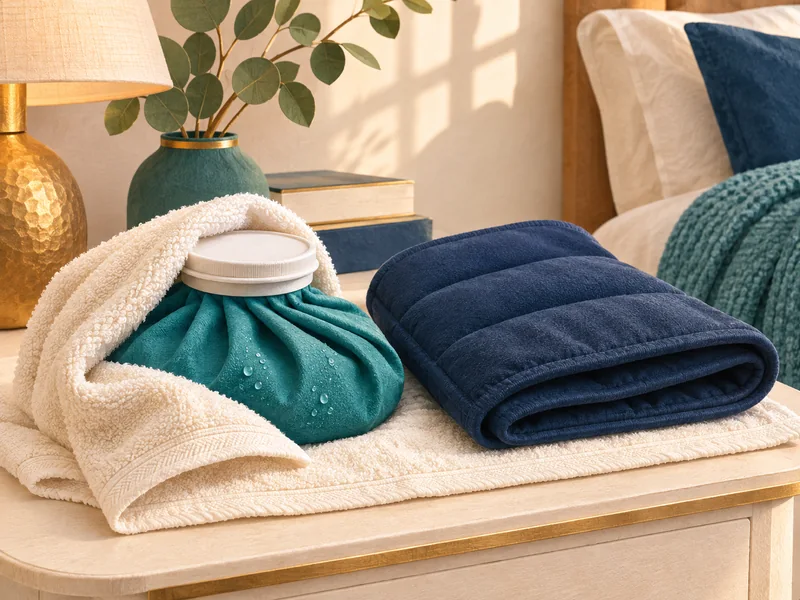
A cloth-covered cold pack and a folded heat wrap.
Comfort without direct skin contactKeep a cloth between the pack and your skin.
03 OF 07

Try a pillow-supported sleeping position.

If lying on your side is comfortable, try a small pillow between your knees. If you sleep on your back, a pillow under the knees may make that position more comfortable.

Adjust the support until you find a position you can settle into. Avoid forcing yourself to stay in a position that increases the pain.

Start with a pillow you already have. This is a simple positioning adjustment, not a reason to buy a special mattress or an expensive sleep product.

A bed with a teal pillow and a smaller support cushion.
Adjust the support, not the shopping listA small pillow can help you test a more comfortable position.
04 OF 07

Make sitting easier, then change positions.

Try a chair that supports your back. A small cushion or rolled towel behind the lower back may help, especially during a longer period of sitting. Adjust the setup so the feet are supported.

Even a comfortable chair is a place to take breaks from. Stand, move around and change position regularly rather than staying in one position for the whole task.

Build the break into something familiar. For example, get up between work tasks instead of waiting until the end of a long session. The aim is a workable routine, not holding a perfect pose.

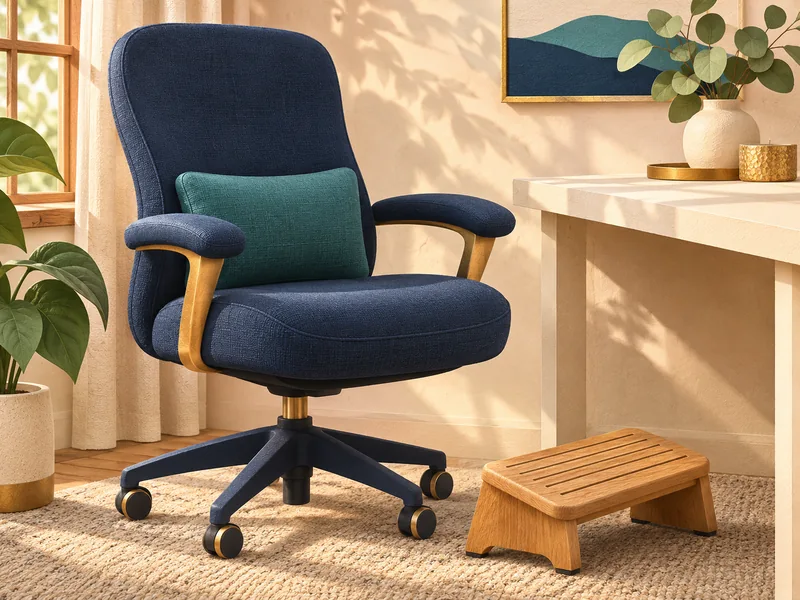
A supportive chair with a lower-back cushion and a footrest.
Support plus a change of positionA cushion is only one part of a comfortable sitting routine.
05 OF 07

Make household loads smaller.

A full laundry basket or a heavy grocery bag can be an awkward lift. Split a manageable load into smaller portions, and get help with anything heavy or difficult to handle. Put off lifting that increases the pain.

When lifting an appropriate light item, move close to it, bend through the hips and knees and keep it near your body. Avoid twisting while you lift or carry it.

Change the task before adding effort. Two smaller loads can be easier to manage than one large one. If lifting is part of your job, ask about temporary adjustments and safe technique.

Two small baskets of folded towels representing lighter household loads.
Less weight in each tripDivide a load or ask for help with an awkward object.
06 OF 07

Keep home exercises gentle and appropriate.

An exercise routine needs to fit how the pain started and what your back can tolerate. A forceful stretch or a demanding online workout can be too much, especially after a recent injury.

If a clinician or physical therapist has given you a home program, follow its instructions and progress gradually. If you are starting something new, ask which movements are appropriate.

Stop an exercise that makes the pain worse. A stronger stretch is not automatically a better stretch. New weakness or numbness needs medical assessment rather than another attempt at the exercise.

An exercise mat, resistance band and planning notebook.
Choose the right movement, not the deepest stretchFollow a suitable plan and stop movements that worsen symptoms.
07 OF 07

Check the medicine before reaching for another dose.

Over-the-counter pain medicines are not interchangeable. Before using one, read the active ingredient, directions and warnings. Check whether another medicine you take contains the same ingredient.

Anti-inflammatory medicines can cause stomach bleeding or kidney problems in some people. Too much acetaminophen can damage the liver. A pharmacist or clinician can help you choose an option that fits your health conditions and other medicines.

Do not increase the amount because the first dose did not help enough. Follow the label and ask for advice if relief is inadequate.

You can also read when to get back pain checked for more on that decision.

Our guide to starting lower back exercises safely takes a closer look at the exercise questions.

A plain medicine container beside a blank medication checklist and pen.
Read the ingredient, directions and warningsBring the exact product name when asking a pharmacist for advice.

YOUR NEXT STEP IN McKINNEY

Learn more about Texas Spine Physicians

Build on what you have tried at home.

Brite John Chalunkal, DO

YOUR GUIDE’S AUTHOR

Brite John Chalunkal, DO

Pain Medicine
Physical Medicine & Rehabilitation

Home care gives you a starting point. If the same pain keeps returning or ordinary tasks remain difficult, the next useful step is to understand what should change in the plan.

At Texas Spine Physicians in McKinney, my work combines Pain Medicine with Physical Medicine and Rehabilitation. We can discuss what you have tried at home, examine how the symptoms affect movement and consider whether you need a tailored exercise program or other care.

I am board certified in both specialties. If you would like to see me, mention that when requesting a visit. The office will confirm your provider and appointment details.

Make the next conversation specific

Write down which home adjustments helped, which made things worse and which activity is still difficult. Include the names of any medicines you have used. That gives your clinician a clearer starting point for discussing a plan.

01

Two board certificationsPain Medicine and Physical Medicine & Rehabilitation

02

Specialty trainingColumbia residency and University of Michigan pain fellowship

03

A McKinney officeCare for back, neck and nerve pain on Eldorado Parkway

WHAT HAPPENS NEXT

A simple start to your first visit.

  1. 1

    Request a visit

    Use the practice website or call the office. Mention your provider preference and ask about insurance or referral requirements.

  2. 2

    Confirm the details

    The office will contact you to arrange the visit. Your appointment is confirmed when the team confirms the provider, date and time.

  3. 3

    Bring your starting point

    Bring your medication list, relevant records or imaging, insurance information and questions. Include one activity you would like to discuss getting back to.

BEFORE YOU MAKE THE CALL

A few common questions.

How long should I try home care?

Many common episodes improve over a few weeks, but there is no waiting period that suits every person. Arrange an assessment if pain is not improving, keeps returning or limits daily activities. Seek urgent or emergency care for the warning signs described above.

Is there one best stretch for lower back pain?

No single stretch is suitable for every cause of lower back pain. The right movements depend on your symptoms and health history. Ask a clinician or physical therapist for guidance, especially after a recent injury, and stop an exercise that makes the pain worse.

What insurance does Texas Spine Physicians accept?

The practice accepts Medicare, Medicaid and most commercial insurance plans, including Blue Cross Blue Shield, Aetna and Cigna. Participation and coverage vary by specific plan. Call (469) 296-9782 so the office can check your plan, explain referral requirements and discuss self-pay options.

BACK PAIN CARE IN McKINNEY

Bring the home-care question you still need answered.

If you are unsure what to keep doing, what to change or why relief is not lasting, request a visit with Texas Spine Physicians in McKinney.

Request an appointment Prefer to talk? Call (469) 296-9782

For educational purposes only.

Powered by GrowLocals.ai