A GUIDE TO LOCAL HEALTHCARE McKinney, Texas

McKinney, Texas · Suspected lower-back strain

Pulled a muscle in your lower back?7 things to know before pushing through.

A lift, a twist, then a painful catch. It is easy to call it a pulled muscle. That may be right, but the timing alone cannot confirm a strain.

Here are seven practical points for McKinney readers trying to understand a suspected lower-back strain and return to everyday activity.


01 OF 07

A strain is an injury, not just a sore feeling.

A muscle strain involves overstretching or tearing muscle or tendon tissue. A ligament injury is called a sprain. Both can cause pain, tightness and difficulty moving.

Other back problems can feel similar. Until a clinician has assessed it, describe it as a suspected strain, especially if pain spreads into a leg or comes with numbness.

An open notebook, pen and clock for recording symptom changes.
Use a clear description.“It started after lifting” is more useful than a guessed diagnosis.
02 OF 07

The onset gives your clinician a starting point.

Was there one sudden movement, or did soreness build over several days of repeated work? Note the task, the load and whether you felt a pop or developed bruising.

Also mention a fall, osteoporosis, steroid medicines or previous back surgery. These details may affect the evaluation. There is no need to repeat a painful lift to show that it still hurts.

Two small baskets of folded towels representing lighter household loads.
Keep the details of the first day.Do not recreate the injury to test it.
03 OF 07

Change the task before stopping the whole day.

For uncomplicated back pain, prolonged bed rest can make returning to activity harder. Easier movement within comfort is usually a more useful starting point.

Temporarily set aside heavy lifting and movements that clearly aggravate symptoms. Try a shorter, comfortable walk or a lighter version of a household task. If even basic movement is very difficult, get medical advice instead of forcing it.

Navy walking shoes beside a gently curving teal path.
Make the day manageable.Choose an easier version of the activity.
04 OF 07

Comfort measures do not confirm healing.

A wrapped cold pack or heat wrap may ease discomfort. Follow product instructions, protect the skin and stay awake while using it. Reduced sensation or circulation problems warrant advice before applying heat or cold.

If you are considering medicine, check suitability with a pharmacist or clinician. Other medicines and kidney, stomach or heart conditions can change what is appropriate. Feeling better after a dose is not proof that the back is ready for a heavy load.

A cloth-covered cold pack and a folded heat wrap.
Comfort has a limited job.Pain relief is not a lifting clearance.
05 OF 07

Return to lifting in stages.

A quiet day of pain is different from being ready for the exact task that triggered it. Rebuild easier activities first, then discuss progressing load and repetition if the symptoms allow.

A clinician or physical therapist can help adapt exercise and lifting to your work. Avoid treating a fixed number of days as a universal recovery deadline. The task, the injury and your response all matter.

An exercise mat, towels and notebook in a quiet room.
Build back to the real task.Duration, repetition and load are separate steps.
06 OF 07

A changing symptom pattern needs attention.

A suspected strain should not explain away new leg weakness, spreading numbness, fever or worsening pain. New bladder or bowel problems or numbness around the genitals or anus require emergency assessment.

Arrange a review if pain is not improving, repeatedly returns or still prevents ordinary activities. The question becomes whether the original explanation and plan still fit.

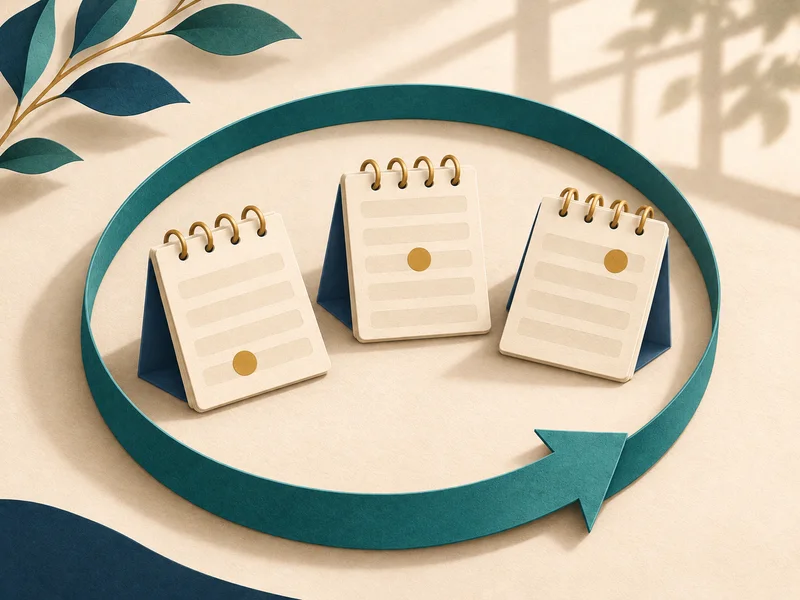
Illustration of three diary cards surrounded by a teal loop representing recurring episodes.
Reassess when the pattern changes.New symptoms are not a normal recovery milestone.
07 OF 07

Track function as well as pain.

A useful recovery note is simple: what could you do today, what made symptoms worse, and what changed afterward? “I could walk to the mailbox but could not unload groceries” is more specific than “still sore.”

Bring any medicine names and previous records to your visit. Tests are chosen from the history and examination; a suspected strain does not automatically require an MRI.

For everyday comfort measures, see our lower back pain home-care guide.

You can also read when to get back pain checked for more on that decision.

An open notebook, pen and clock for recording symptom changes.
Describe one real activity.Small changes in function help explain progress.

YOUR NEXT STEP IN McKINNEY

Learn more about Texas Spine Physicians

Talk through a recovery plan that fits everyday life.

Brite John Chalunkal, DO

YOUR GUIDE’S AUTHOR

Brite John Chalunkal, DO

Pain Medicine
Physical Medicine & Rehabilitation

If a suspected strain keeps interfering with work or home life, the next step is to check whether the recovery plan fits the problem. That conversation can include safe activity, rehabilitation and whether further evaluation is needed.

At Texas Spine Physicians in McKinney, I combine Pain Medicine with Physical Medicine and Rehabilitation to evaluate pain and discuss next steps. Bring your symptoms, prior care and the activity you want help with. The office can confirm your provider preference when arranging a visit.

Make your visit more useful

Bring the onset story and a short record of the activities that remain difficult. Include treatments tried and what changed after using them.

01

Two board certificationsPain Medicine and Physical Medicine & Rehabilitation

02

Specialty trainingColumbia residency and University of Michigan pain fellowship

03

A McKinney officeBack, neck, nerve and joint pain care on Eldorado Parkway

WHAT HAPPENS NEXT

A simple start to your first visit.

  1. 1

    Request a visit

    Use the practice website or call the office. Mention your provider preference and ask about insurance or referral requirements.

  2. 2

    Confirm the details

    The office will contact you to arrange the visit. Your appointment is confirmed when the team confirms the provider, date and time.

  3. 3

    Bring your starting point

    Bring your medication list, relevant records or imaging, insurance information and questions. Include one activity you would like to discuss getting back to.

BEFORE YOU MAKE THE CALL

A few common questions.

How long does a pulled back muscle take to recover?

Recovery varies with the injury and the person. Many uncomplicated episodes improve over days to weeks. A fixed timeline should not replace assessment when symptoms are worsening, changing or failing to improve.

Can I stretch a suspected lower-back strain?

The right movement depends on the injury and symptoms. Avoid forceful stretching or pushing through increasing pain. Ask for guidance if the injury is recent, movement is very limited, or there are leg symptoms.

What insurance does Texas Spine Physicians accept?

The practice accepts Medicare, Medicaid and most commercial insurance plans, including Blue Cross Blue Shield, Aetna and Cigna. Participation and coverage vary by specific plan. Call (469) 296-9782 so the office can check your plan, explain referral requirements and discuss self-pay options.

PAIN CARE IN McKINNEY

Make returning to activity a plan, not a guess.

Request an evaluation with Texas Spine Physicians in McKinney. The office will follow up to confirm your provider, appointment details and insurance requirements.

Request an appointment Prefer to talk? Call (469) 296-9782

For educational purposes only.

Powered by GrowLocals.ai